Wonder Woman, from Sexpot to Feminist
The nature of Wonder Woman is that she's a hot babe. Without which, she wouldn't exist.
Wonder Woman, 1942
Wonder Woman began in 1941 as the alleged good feminism image. A symbol of beauty and strength for women, doubling as soft-porn for nerdy boys. Her image and story has mutated thru the political climate, just as Captain America has. Nowadays, with the evil communism era gone, and her Snow White chest and skimpy costume being too feminine to be sold as a butch dyke for gender feminists, the image of Wonder Woman returns to her natural role of being primarily a blue-eyed sexpot.
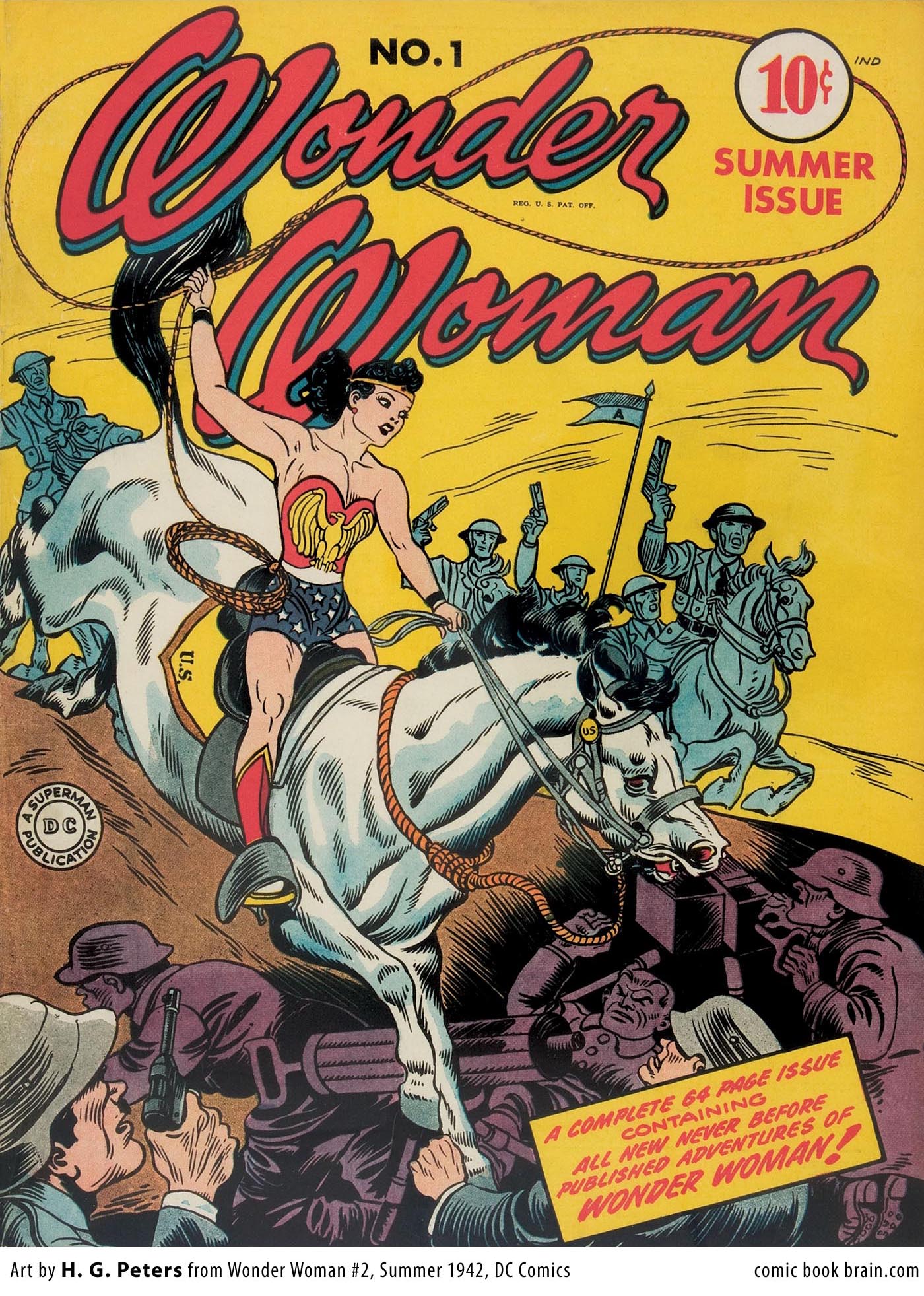
Note her star-spangled uniform.
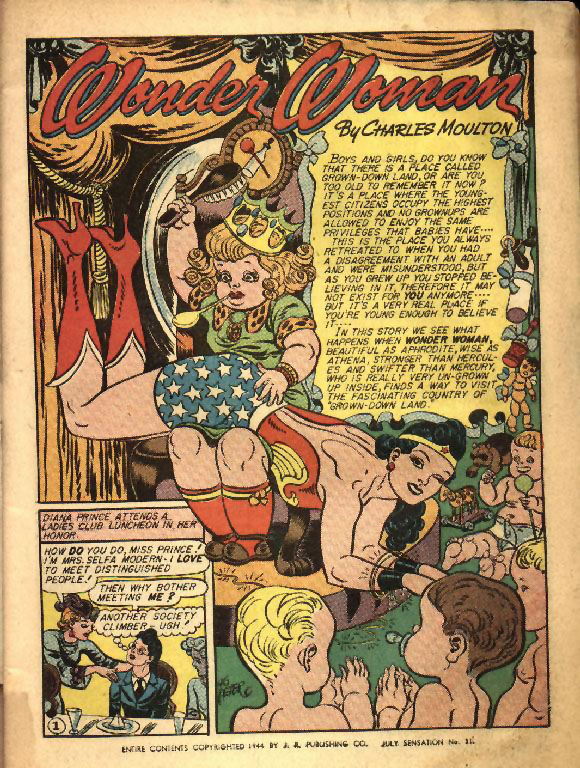
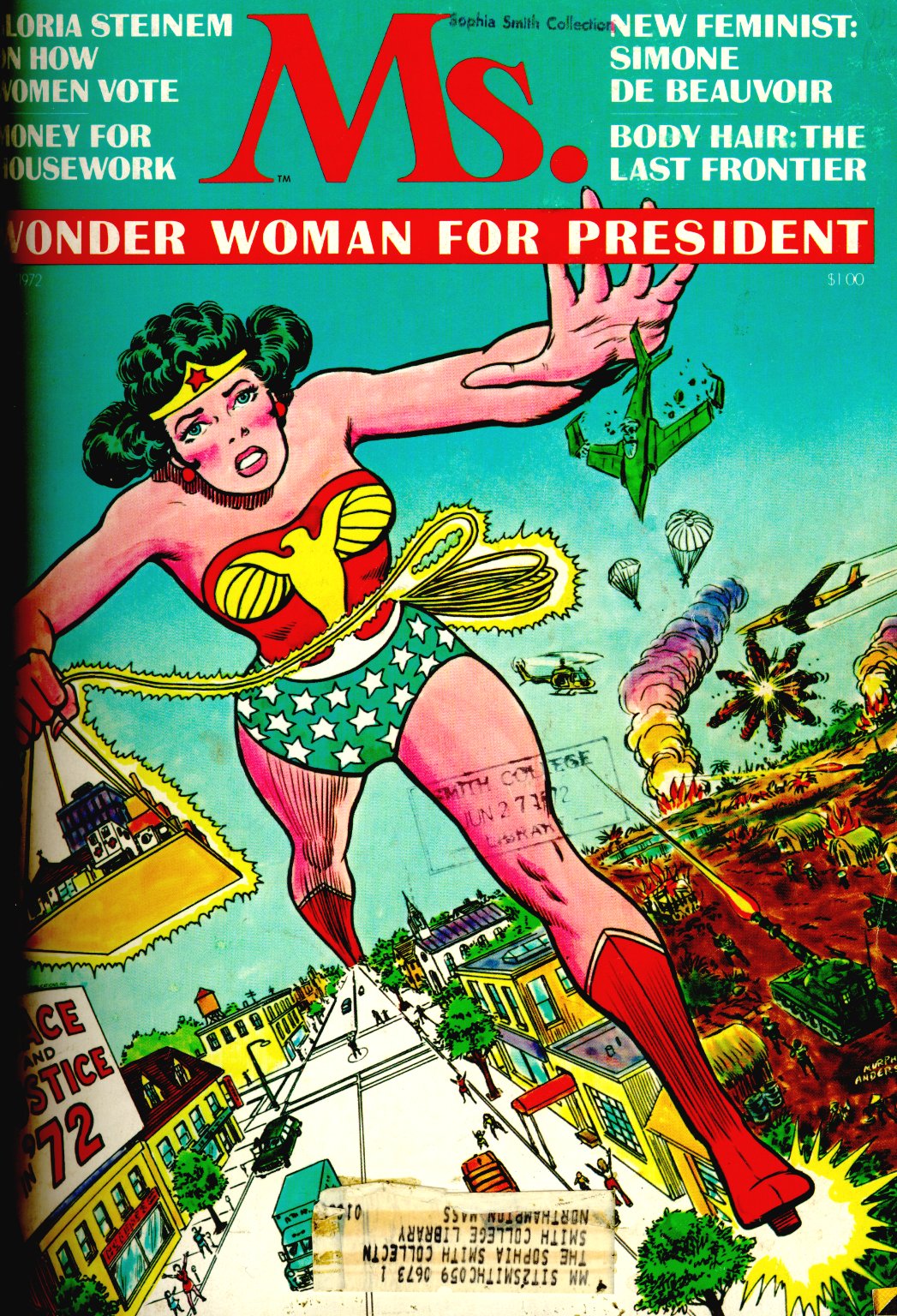
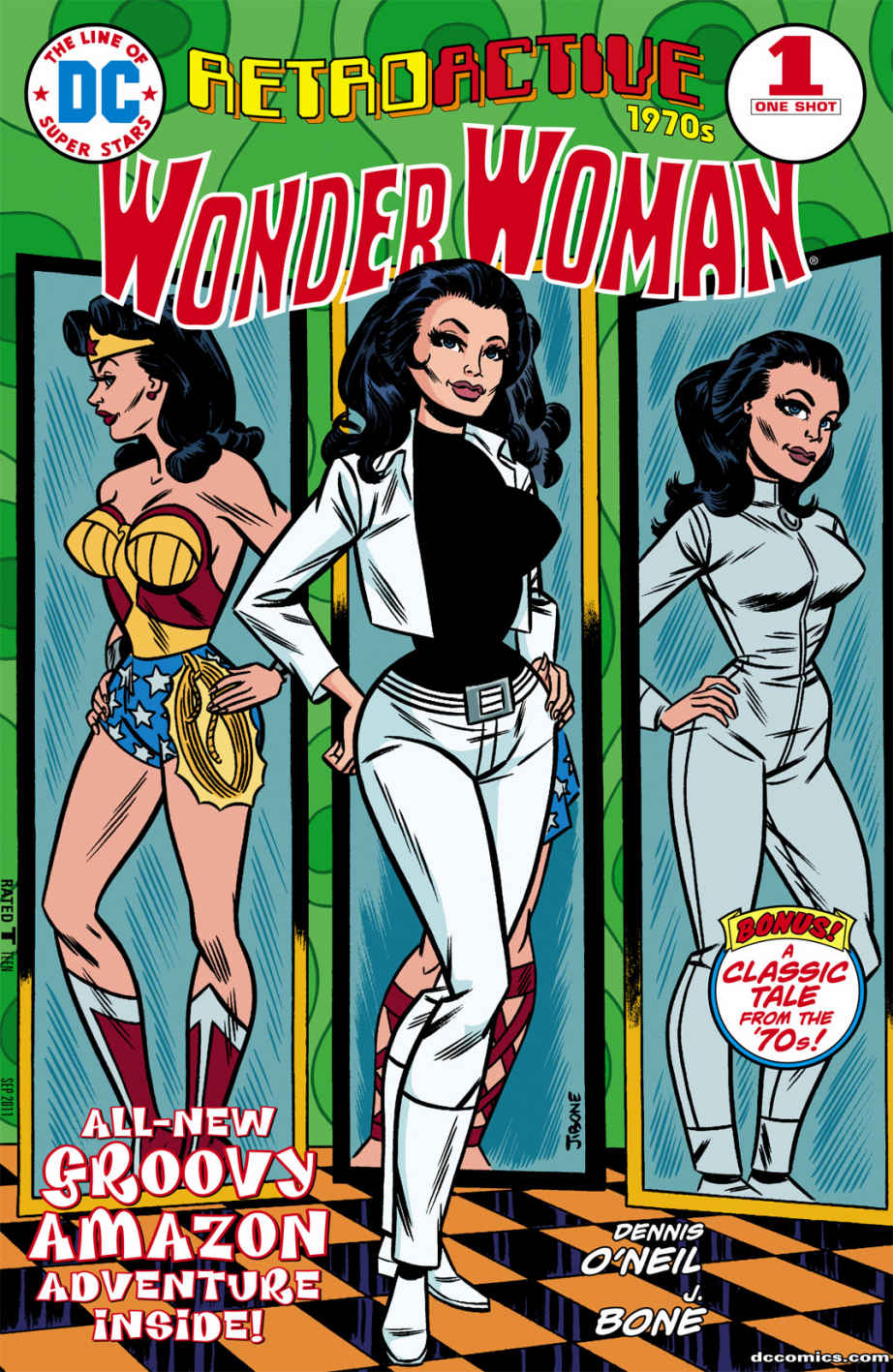
Wonder Woman, 1970
Lynda Carter in Wonder Woman TV Series, 1976
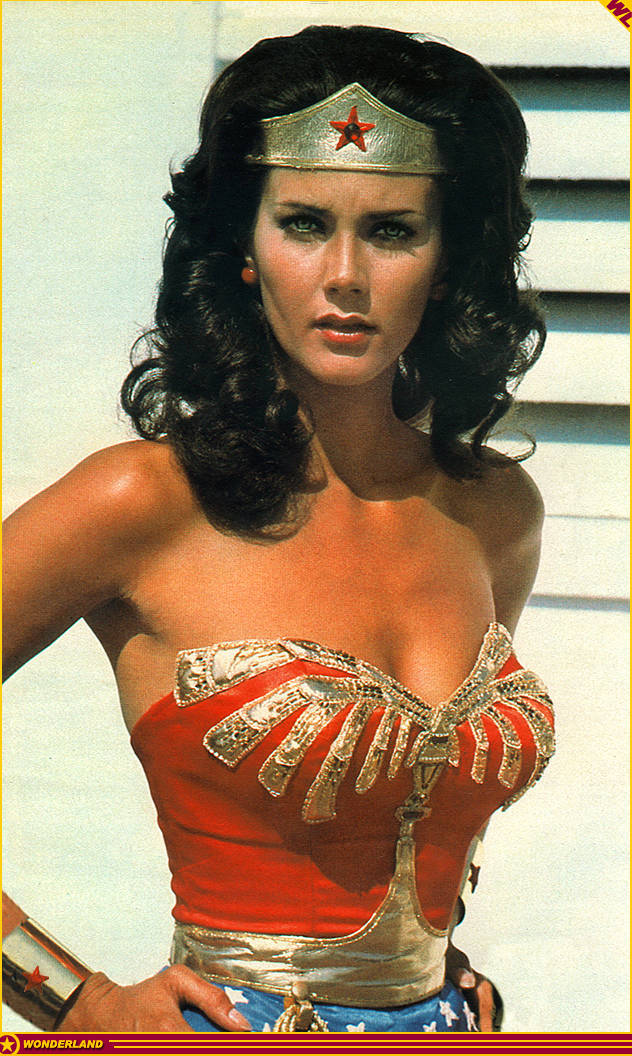
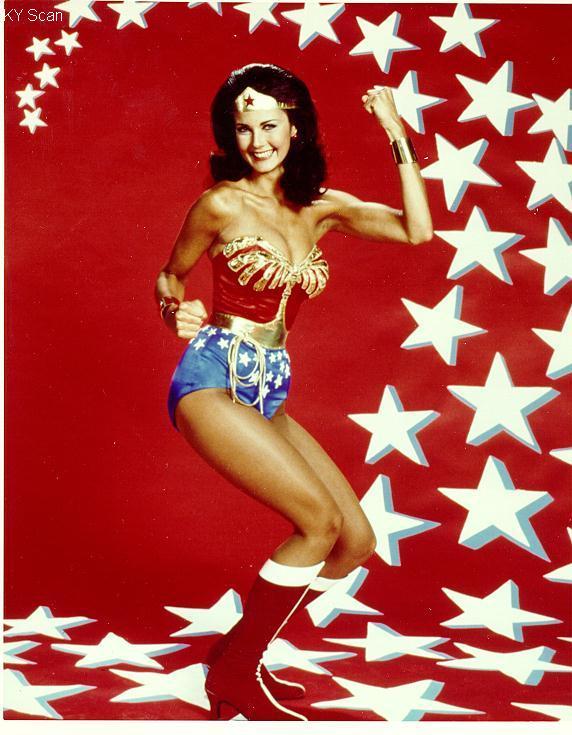
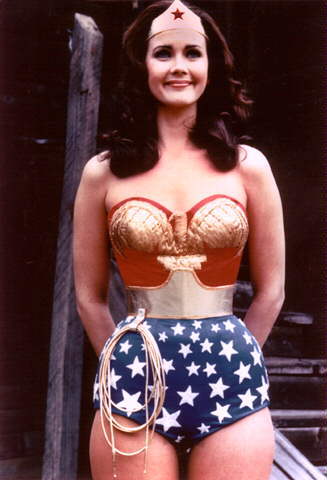
Wonder Woman The Complete Collection Buy at amazon
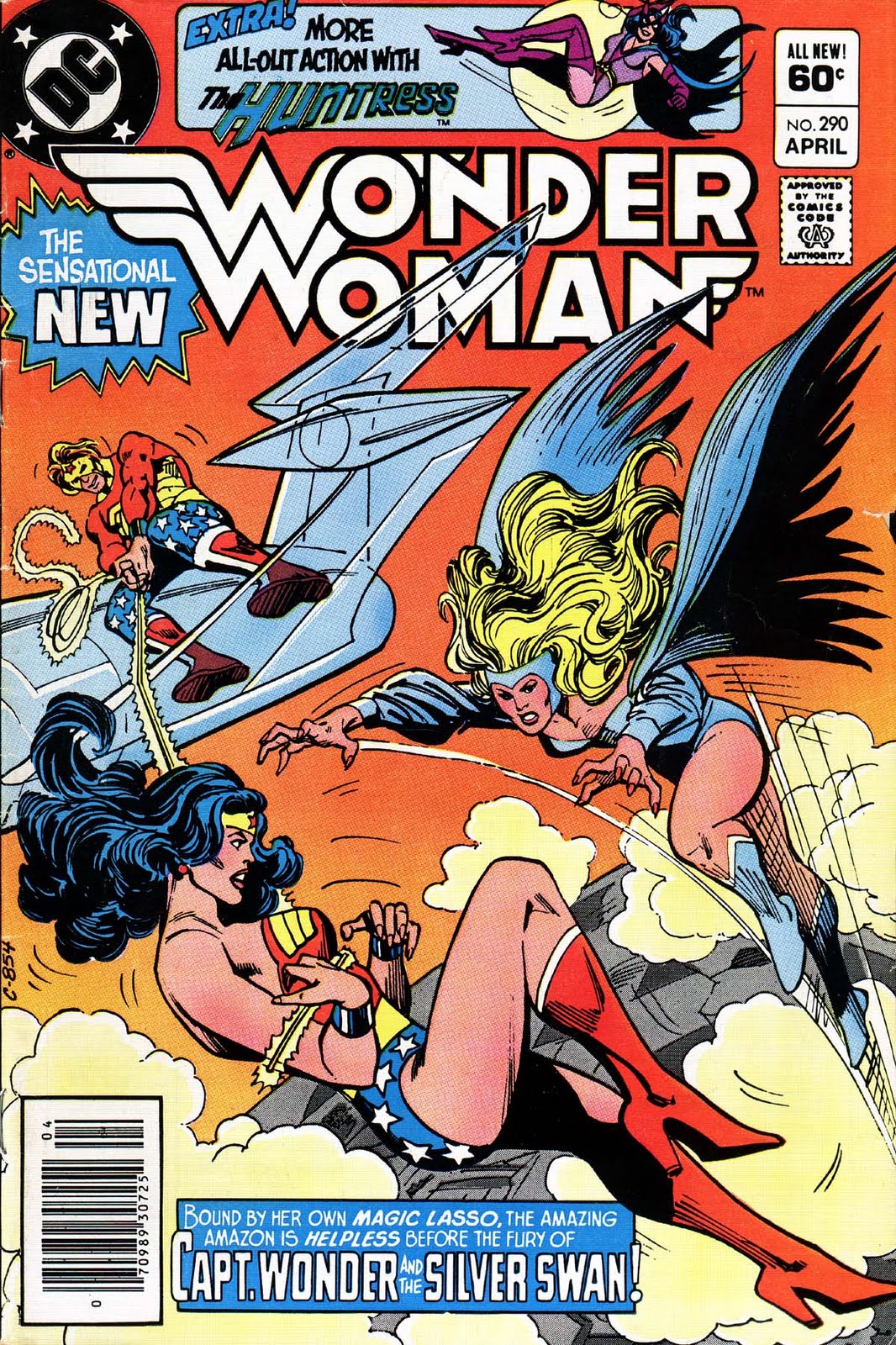
Wonder Woman, 1980
At the age of 41, in 1982, Wonder Woman started to wear a double W on her chest, instead of the bird. Here's a excerpt from wikipedia around 2007:
In the preview in DC Comics Presents #41 (January 1982), writer Roy Thomas and penciller Gene Colan provided Wonder Woman with a stylized “W” on her bodice, to replace the eagle. The new emblem, unlike the old, was copyrightable and so had greater merchandising potential.
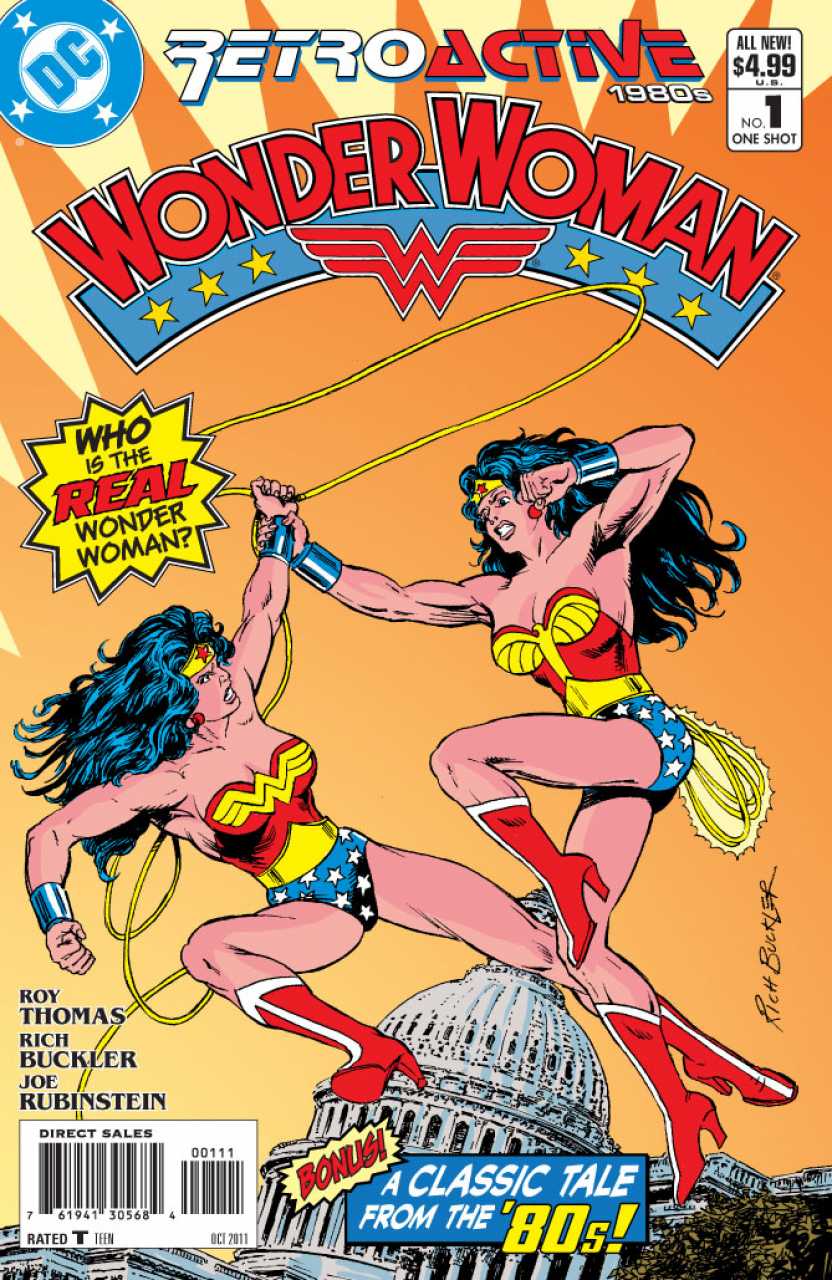
Wonder Woman, 1990
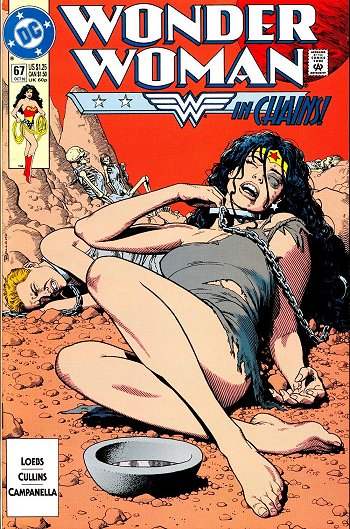
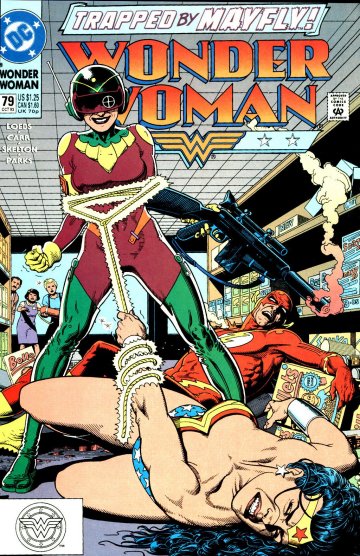
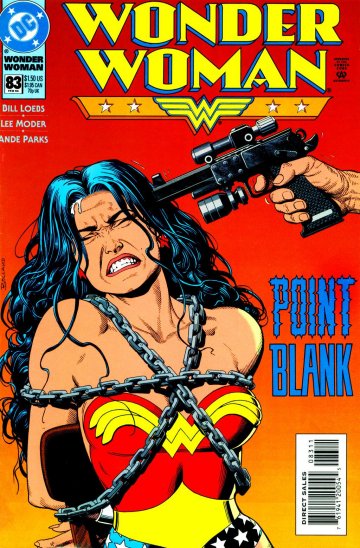
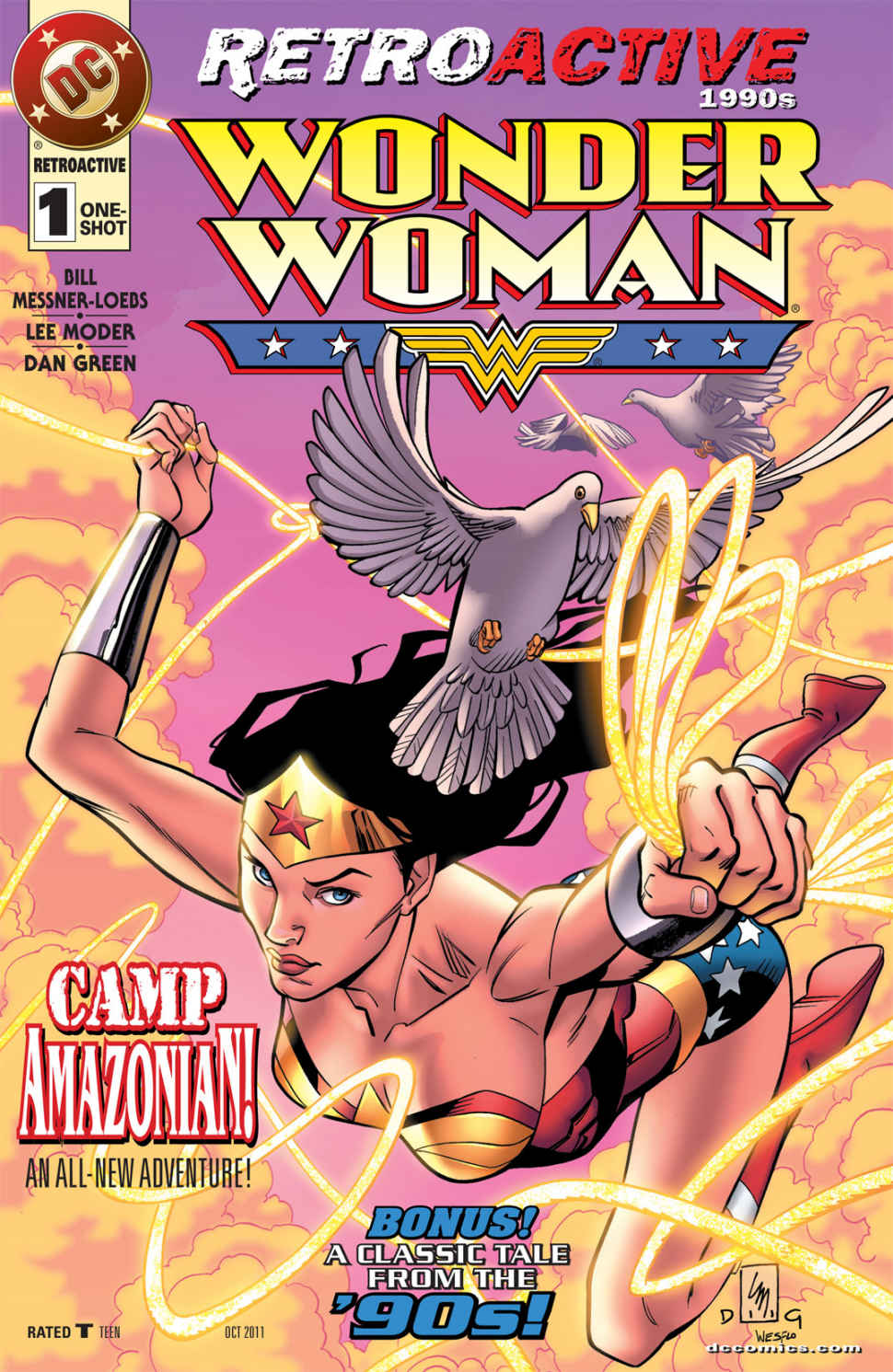
Wonder Woman, 2000
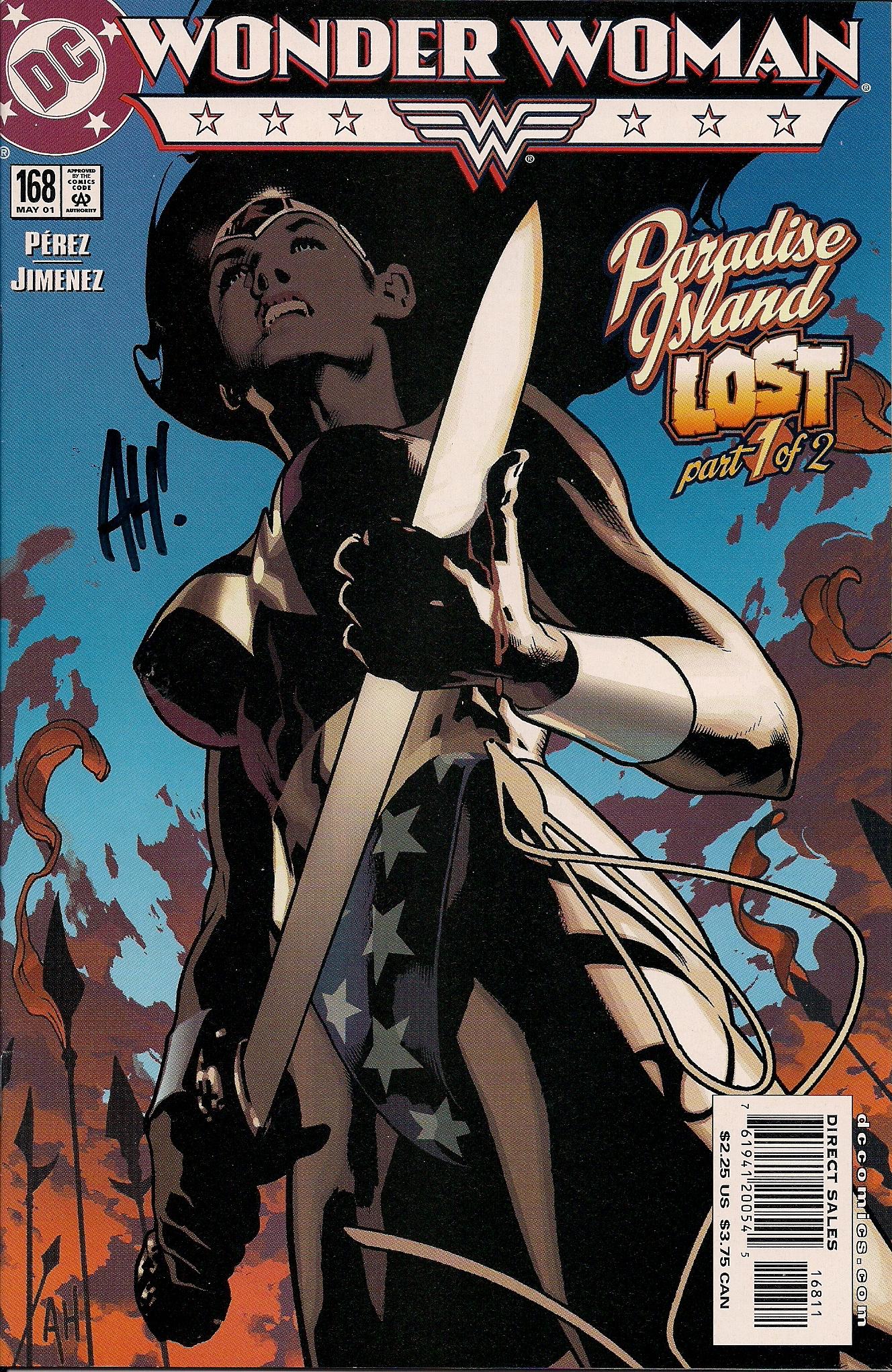
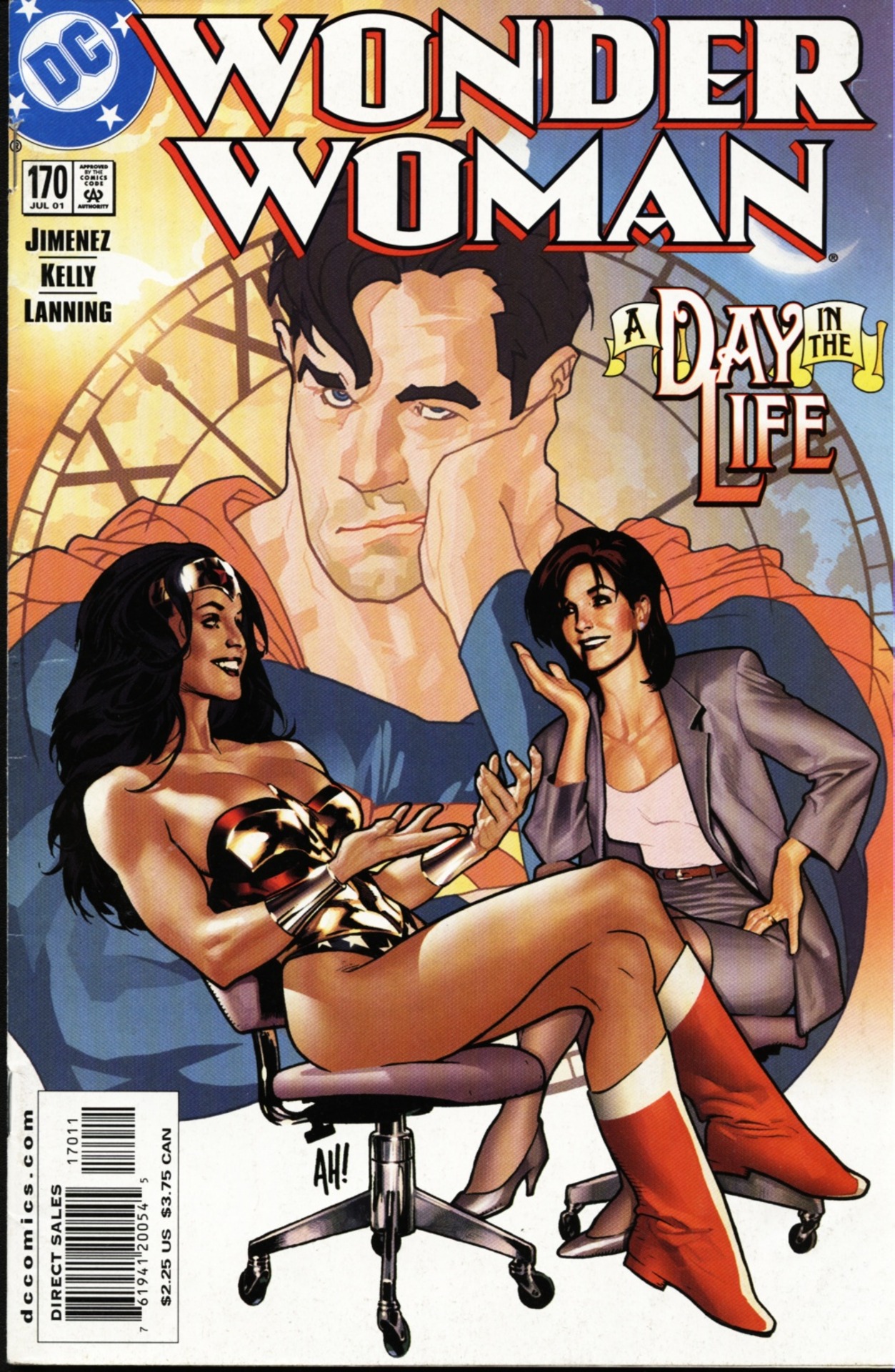
Superman, is the obvious love interest in American minds. But, there's a conflict of interest. So, we see, sometimes they romance (mostly by fan art), and sometimes they fight, and of course, Wonder Woman wins. Letting a man win would be wrong, and feminists wouldn't want that neither. Besides, letting Wonder Woman win is optimal for making money, by tradition in fairy tales, against all fiction and reality.
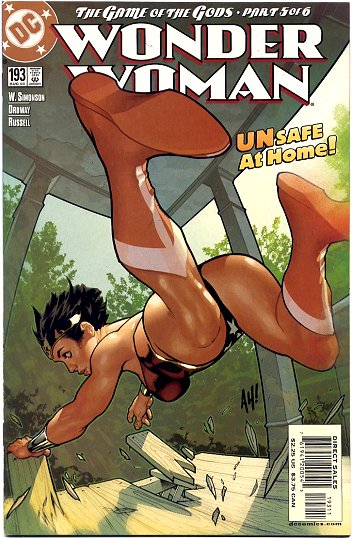
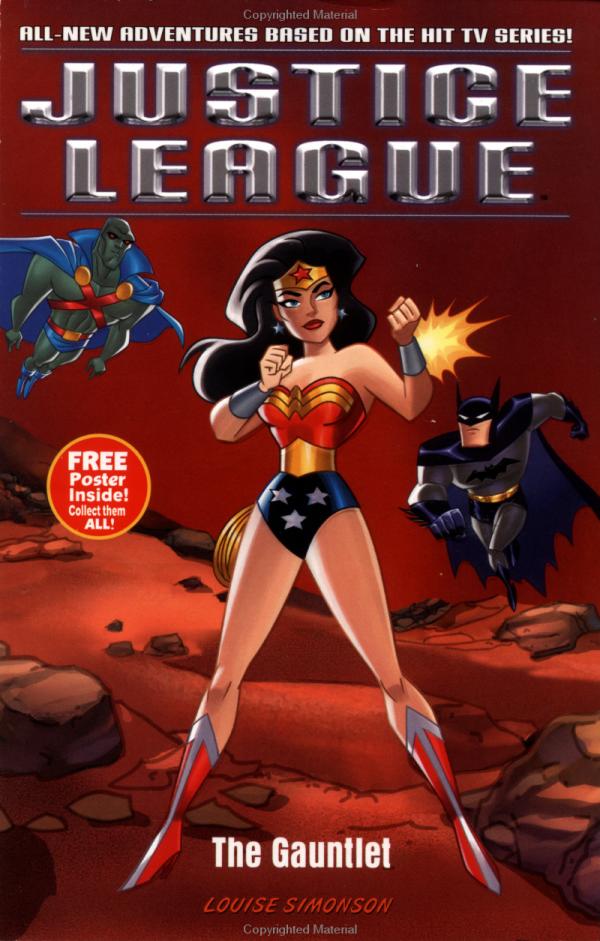
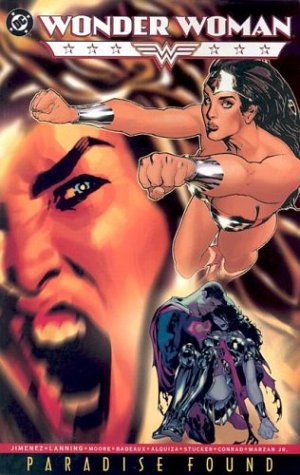
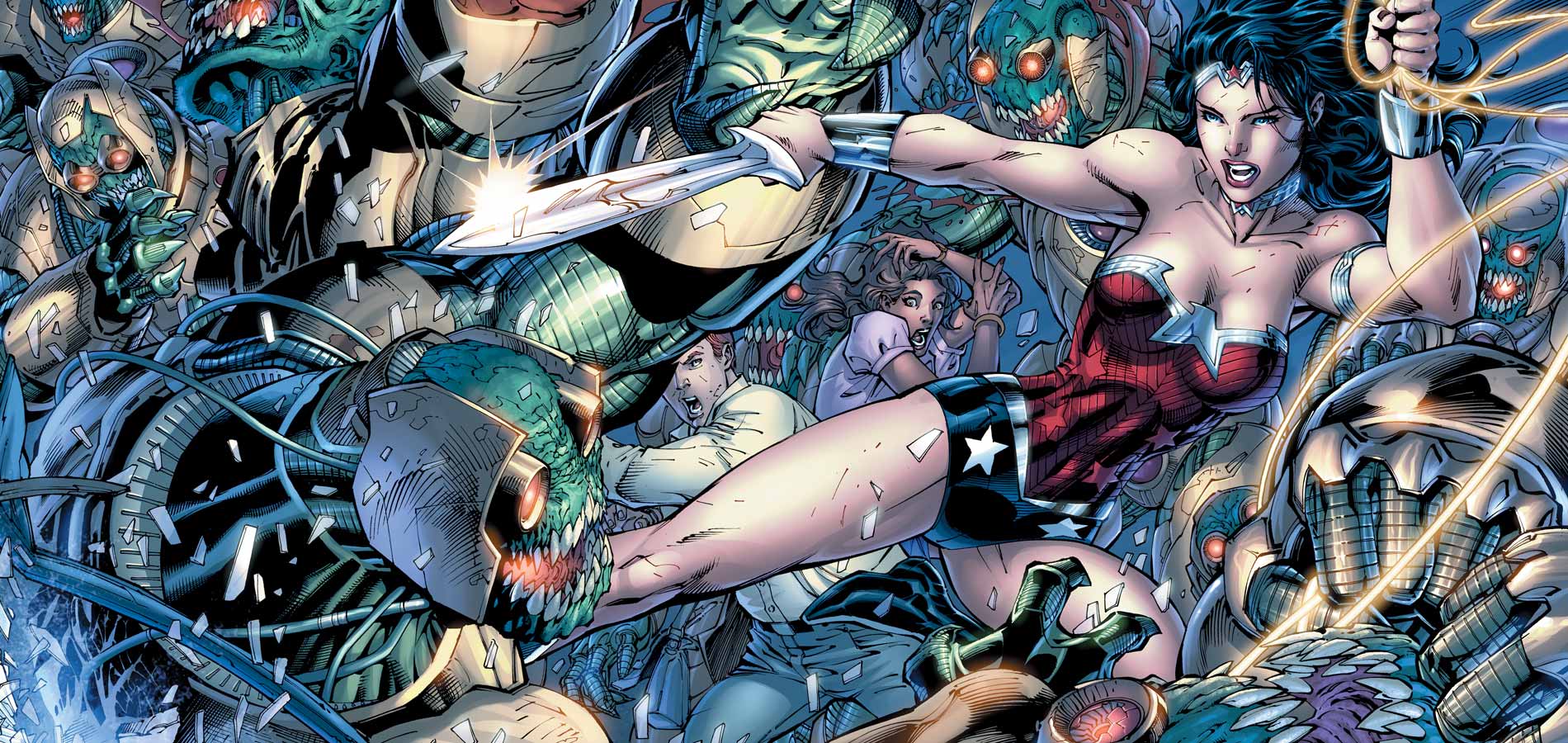
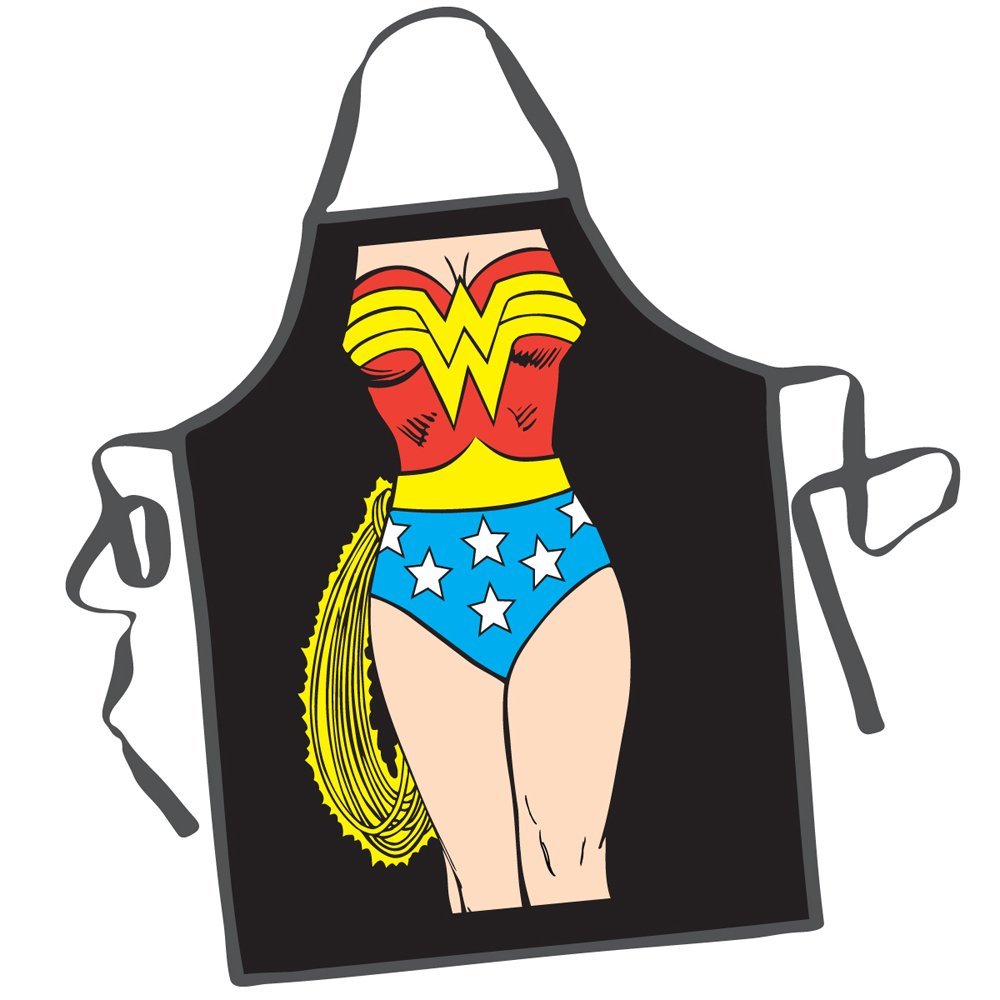
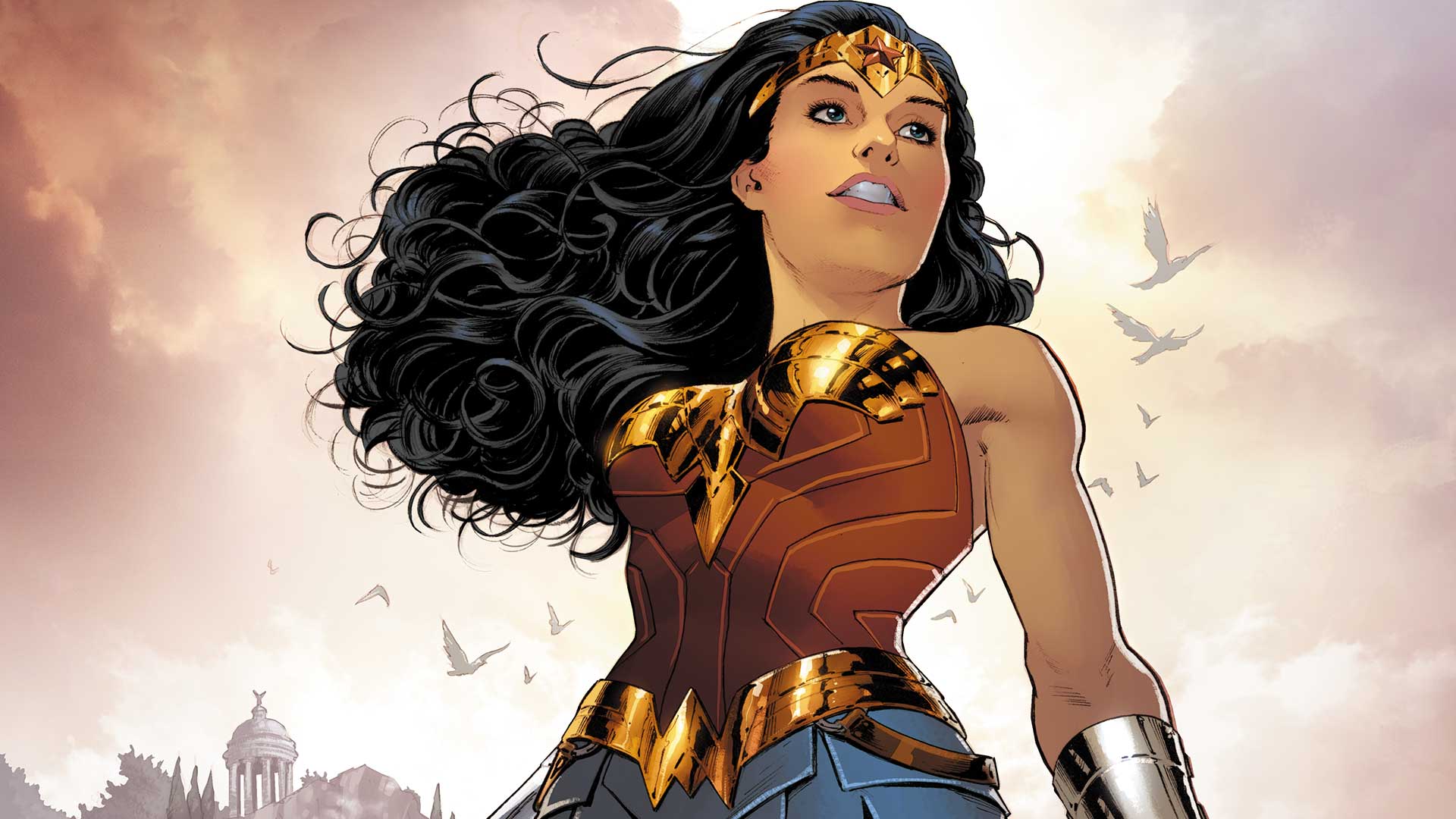
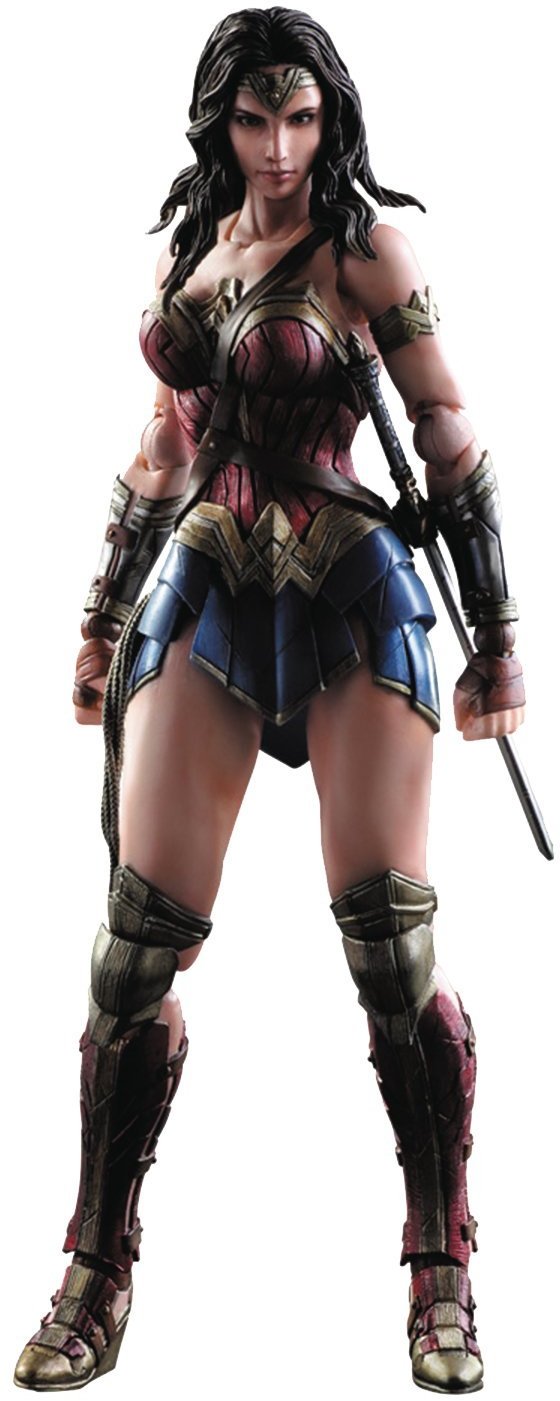
Wonder Woman, 2010
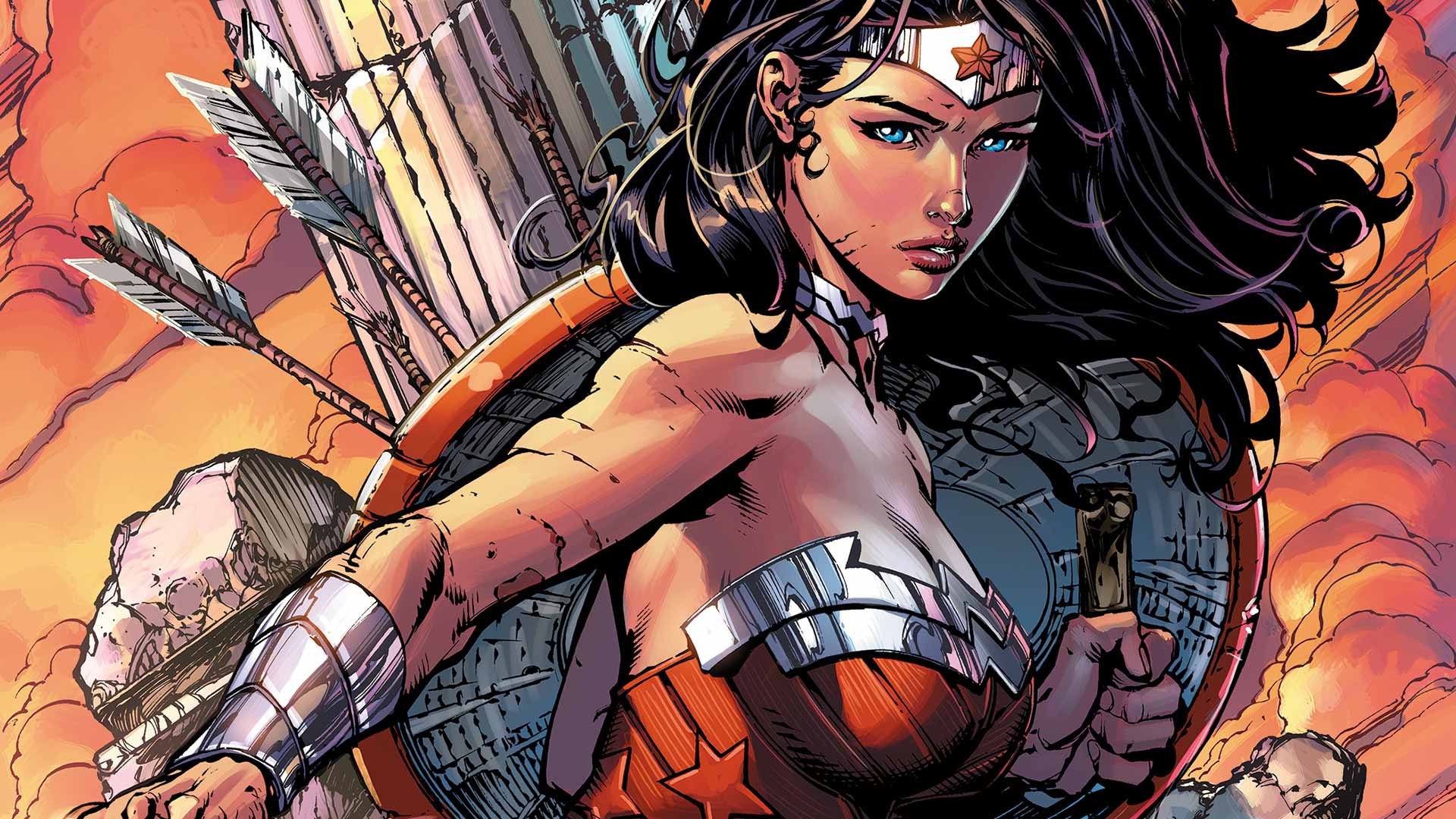
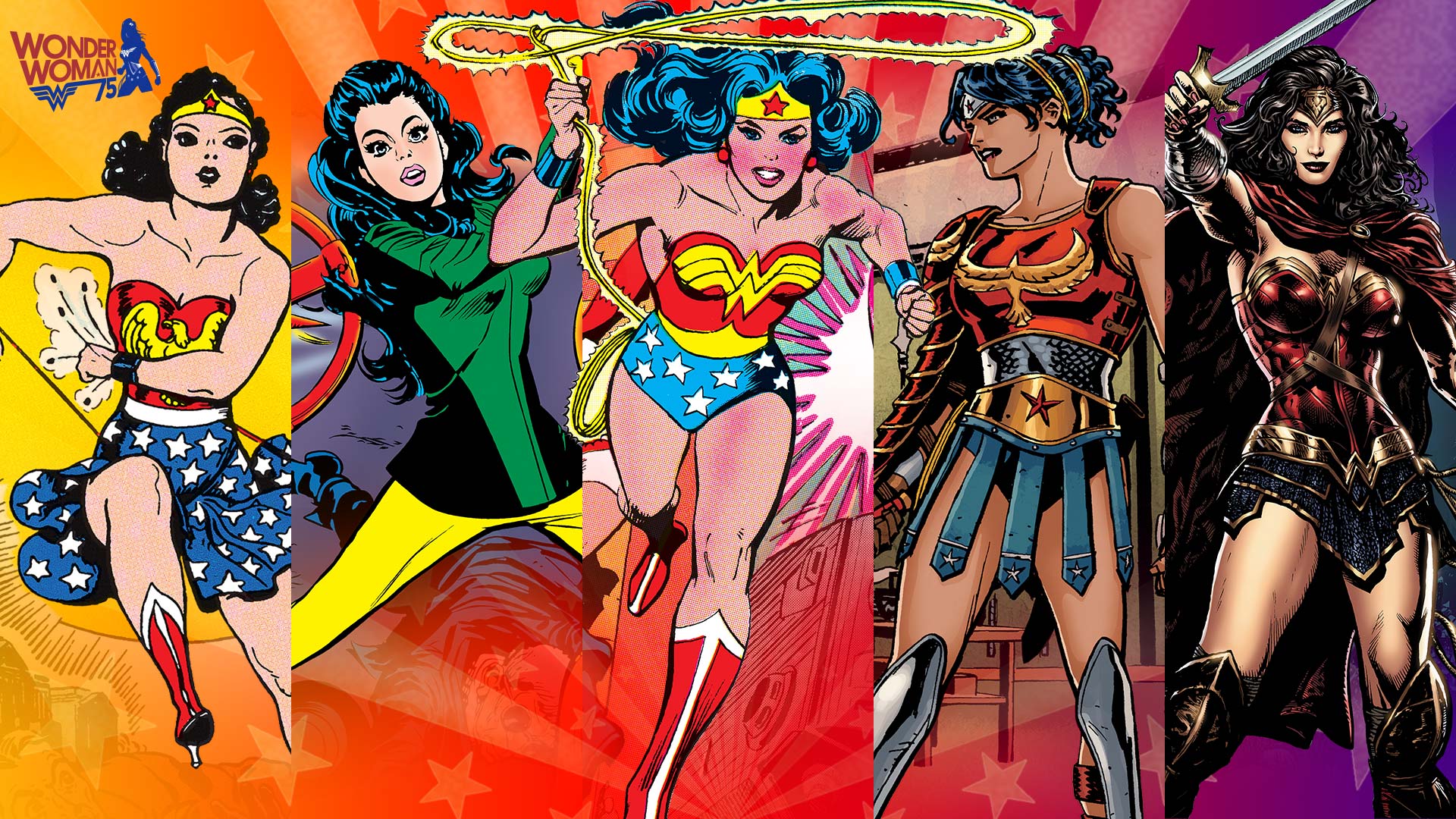
Wonder Woman and Bondage Porn
Wonder Woman is a prominent theme in BDSM porn. See: Wonder Woman and Bondage